NewsTechnology
The AI chips are moving through Southeast Asia. Indonesia is mostly watching.
A New York Times investigation traced billions of dollars of advanced AI servers through the region. The same fortnight, a Jakarta Post column asked whether Indonesia will ever build any of this itself.
Billions in servers, routed through the region
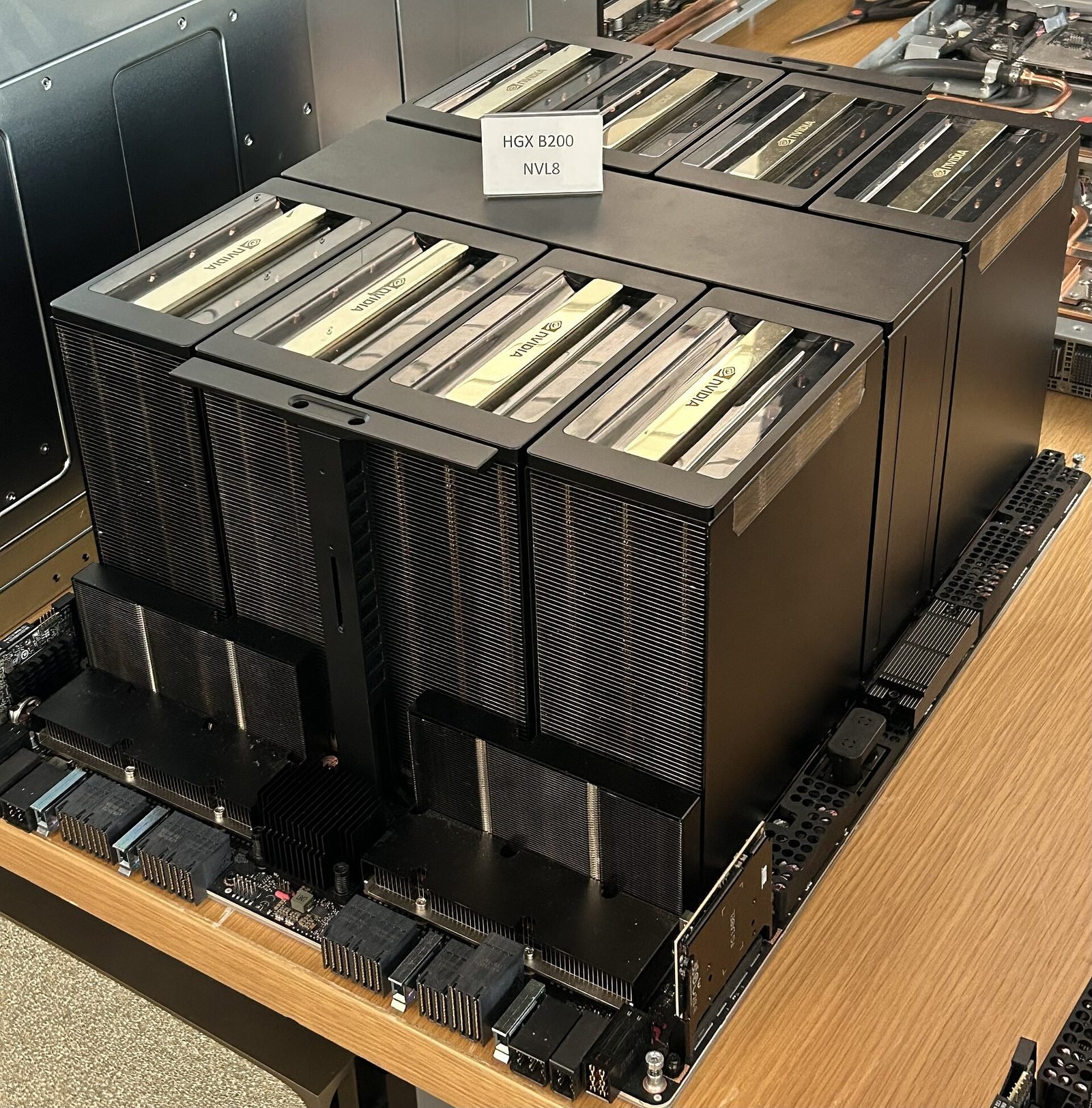
On 6 September, The New York Times reported that Aivres, the California subsidiary of Chinese server maker Inspur, exported at least $5.6 billion in advanced technology to Southeast Asia between April 2024 and February 2026, more than $3 billion of it in computers built on Nvidia's newest Blackwell chips. According to the report, the servers ended up serving Chinese companies including ByteDance and Alibaba.
Inspur has been on Washington's export blacklist since 2023. Aivres, which took over its California operations under a new name, is not. The story has become a test of how export controls work when a company can change its name and keep its customers.
A market, not yet a maker
Closer to home, a column in The Jakarta Post argued that Indonesia risks capturing little of the AI boom beyond selling to its 280 million consumers. High-tech products made up 8.7% of Indonesia's manufactured exports in 2024, it noted, against roughly 60% for Singapore and Malaysia and 44% for Vietnam. Data centres are coming, including three planned by CoreWeave, but the chips and the servers are made elsewhere.
What it means for businesses here
For most companies the geopolitics will show up as prices and availability: of GPUs, of cloud capacity, and of the AI services built on them. More capacity in the region should also mean more choice about where data is stored and processed, a question the Personal Data Protection Law already asks you to answer.
The practical move is the same as ever: use the capacity that exists to fix real problems in your own operation, and avoid building your business on a single provider you could not replace.